January 16: Saint Marcellus's Day
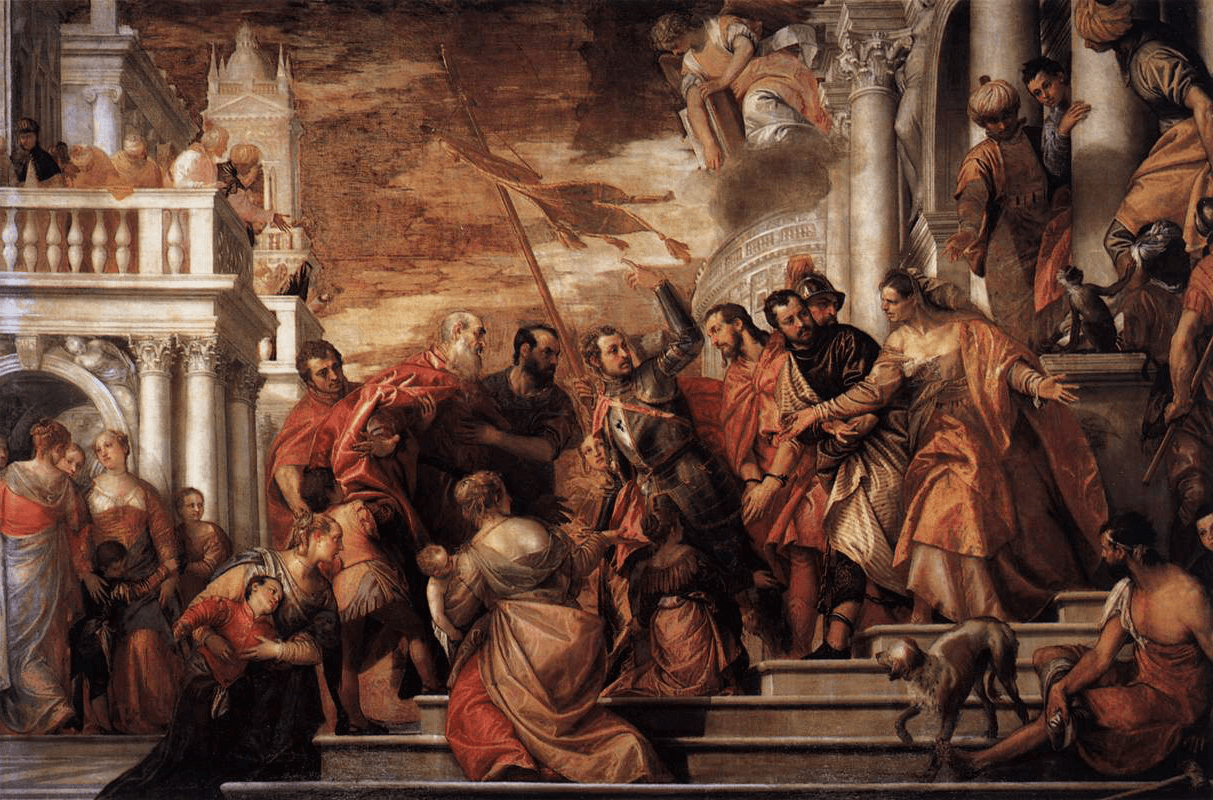
Céline Arétin, culture, women's issues and environment correspondent, January 16, 2025
Origins of Saint Marcellus's feast day
Saint Marcellus's feast day traces its origins to the commemoration of Marcellus I, a pope of the early 4th century known for defending the Christian Church against the persecutions of Emperor Maxentius. Canonized after his presumed martyrdom in 309, Marcellus is associated with the restoration of ecclesiastical order after the crisis caused by the persecution of Christians under Diocletian. In France, Saint Marcellus's feast day has taken on special significance in Chalon-sur-Saône, where the saint is the patron of the city. Every January 16, processions and solemn masses celebrate his memory.
The life and martyrdom of Saint Marcellus
Saint Marcellus was the 30th pope of the Catholic Church, holding the office from 308 to 309, during a period marked by persecutions against Christians under Emperor Maxentius. His pontificate was mainly devoted to reorganizing the Church after the upheaval caused by Diocletian's edicts of persecution. According to tradition, Marcellus was arrested for refusing to renounce his faith and was forced by Maxentius to work as a stable groom in a public stable. He is said to have died from the mistreatment he suffered there, making him a martyr of the Christian faith.
Miracles attributed to him
In Provence, it is said that Saint Marcellus saved a village from an epidemic by interceding through fervent prayers. In Chalon-sur-Saône, a legend recounts that he protected the town from a devastating flood by diverting the waters of the river.
Customs linked to Saint Marcellus's feast day
In Chalon-sur-Saône, where Saint Marcellus is the patron saint, solemn processions cross the town every January 16, accompanied by liturgical chants. In Provence, Saint Marcellus's feast day is associated with the blessing of flocks and harvests, with residents invoking the saint to protect their agricultural goods.
Saint Marcellus in art and culture
In the Basilica of San Marcello in Rome, a 13th-century fresco depicts his martyrdom, showing the saint humbly bent over in a stable, surrounded by animals, symbolizing his humiliation under Maxentius. In Chalon-sur-Saône, sculptures in Saint-Vincent Cathedral depict scenes of miracles attributed to Saint Marcellus, notably the legend of him diverting a flood. In illuminated medieval manuscripts, such as the famous "Codex of Saint Marcellus" kept at the library of Dijon, he is depicted in pontifical vestments, holding a crosier and blessing the faithful. The stained-glass window of the church of Saint-Marcel-d'Ardèche depicts a legend in which he protects a flock attacked by wolves, showing his role as guardian of farmers. In the 19th century, the French artist Jean-Léon Gérôme painted a series of sketches on the theme of Christian martyrs, one of which highlights the dignity of Saint Marcellus in the face of trial.