April 10: feast of Saint Fulbert of Chartres
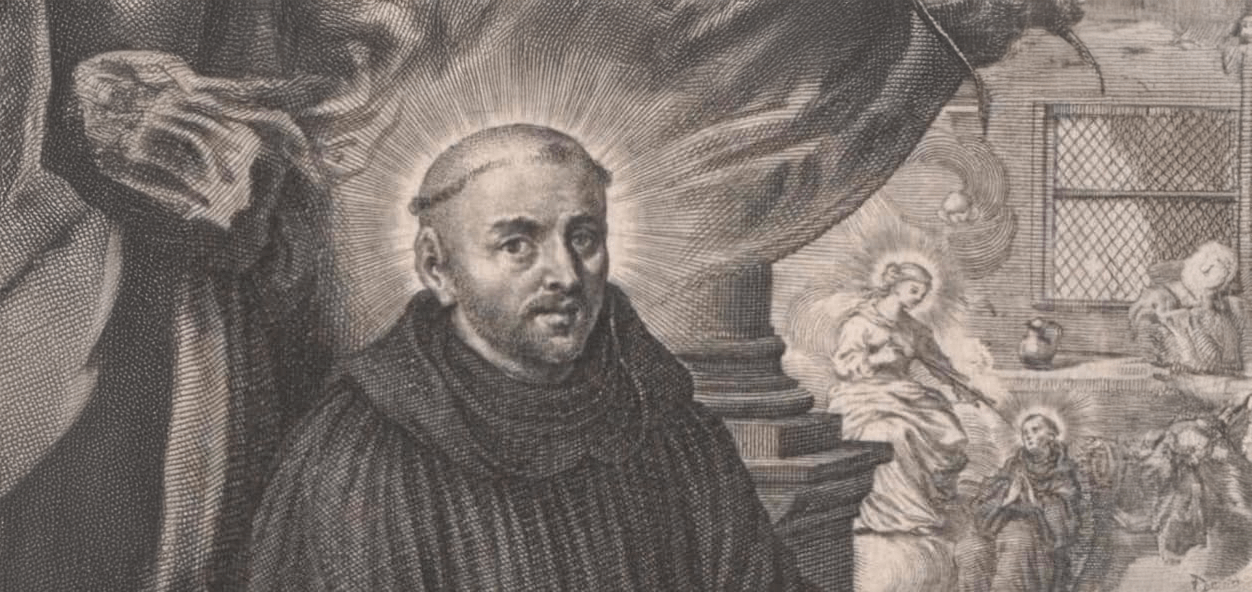
Céline Arétin, in charge of cultural, women's and environmental topics, April 10, 2025
Who was Saint Fulbert?
Saint Fulbert, born around 960 and died in 1028, was bishop of Chartres from the year 1006. Probably from Italy or northern France, he studied in Reims under Gerbert of Aurillac, the future Pope Sylvester II. His reputation as a theologian earned him leadership of the Cathedral School of Chartres, which under his guidance became a major intellectual center in Europe. After the fire that struck Chartres Cathedral in 1020, Fulbert mobilized resources for its reconstruction. He called on King Robert II the Pious as well as numerous lords to finance the works. Thanks to his efforts, the foundations of the Romanesque cathedral were laid and completed shortly after his death.
Official recognition of Saint Fulbert
Saint Fulbert was never officially canonized by a papal bull, as the canonization process did not yet formally exist in his time. However, his name was entered into the Roman Martyrology, which amounts to liturgical recognition by the Church. In 1862, Pope Pius IX implicitly confirmed this recognition by approving the liturgical calendar that listed his feast on April 10.
Saint Fulbert in art and literature
In Chartres Cathedral, the stained-glass window of bay no. 37, dating from the 13th century and located in the north ambulatory, is dedicated to him: it depicts scenes from his life, such as the fire at the cathedral and the reconstruction he initiated. A stone statue of him also stands on the south portal of the cathedral, dressed in his bishop's vestments and holding a model of a church. In medieval manuscripts, his writings are preserved, notably in manuscript 528 of the Chartres municipal library, which contains several of his letters copied in the 12th century. In literary terms, he is cited in the "Histoire littéraire de la France" (volume 6, Académie des inscriptions et belles-lettres), and his texts are analyzed in anthologies such as "Les Lettres carolingiennes et post-carolingiennes," published by the CNRS. Finally, in 1954, the writer Henri Focillon spoke of Fulbert's intellectual importance in his essay "The Life of Forms in Art."