May 2: World Tuna Day
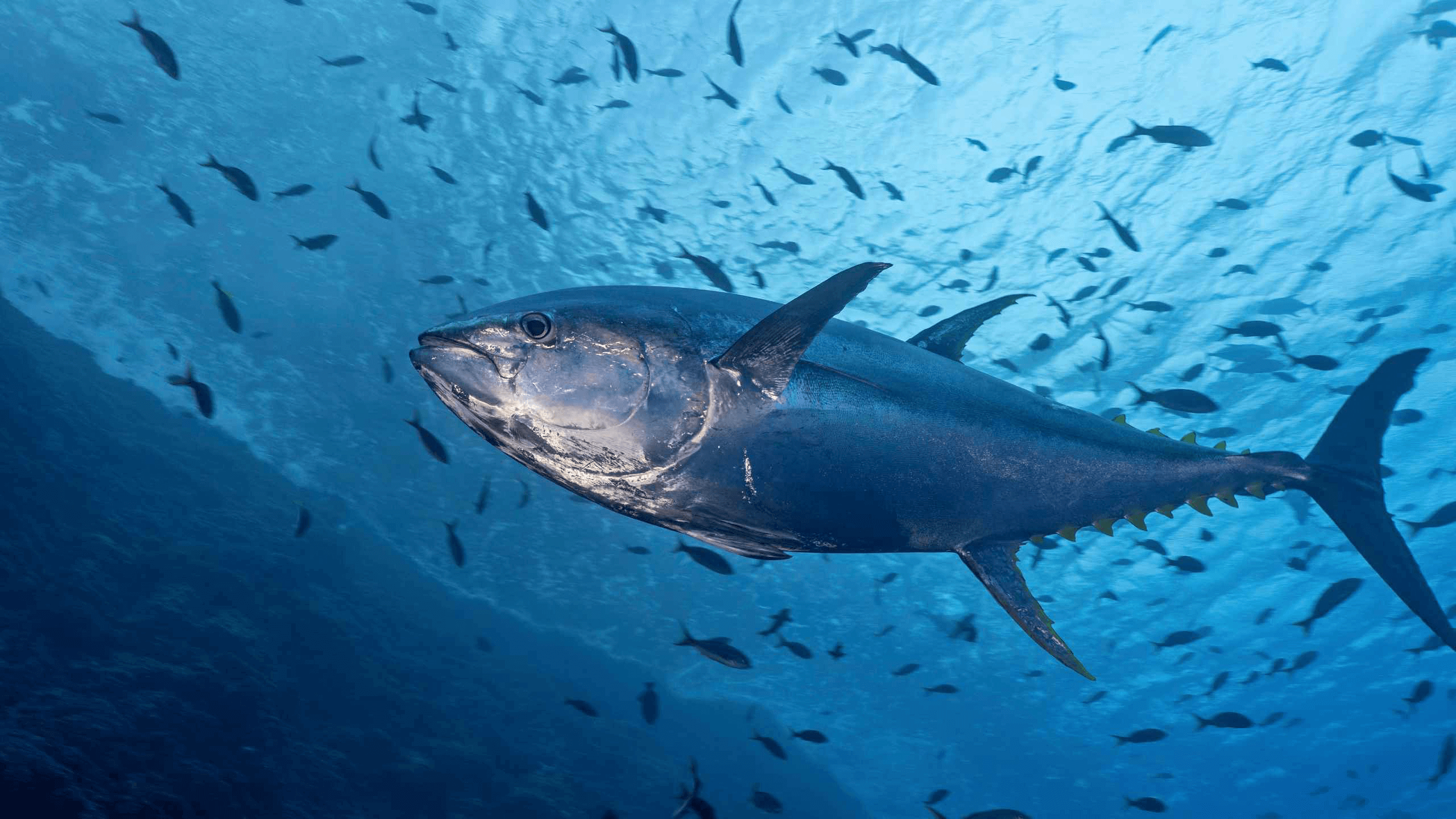
Manuel Van den Broucke, sports, society and politics correspondent, May 2, 2025
Nutritional value of tuna
Tuna is one of the fish highest in protein, with 24g of protein per 100g of raw yellowfin tuna. The same portion provides 3g of fat for bluefin tuna, including 1,200 mg of EPA and DHA, omega-3 fatty acids essential for cardiovascular function. Average calorie content remains low: 110 kcal for skipjack and 140 kcal for bluefin tuna. On the micronutrient side, 100g covers about 80% of the recommended daily intake (RDI) of selenium, a trace element that acts as an enzymatic antioxidant, and 35% of the RDI of vitamin D (7 µg), needed for calcium absorption. Tuna also provides 1.2 mg of heme iron, a form better absorbed than plant-based iron, along with B vitamins: B3 (niacin, 10 mg) useful for energy metabolism, B12 (2.5 µg) essential for blood cell production, and B6 (0.9 mg) involved in neurotransmitter synthesis. A 150g fillet of tuna also provides 600 mg of potassium and 40 mg of magnesium. These two minerals are essential for muscle contraction: potassium allows nerve impulses to reach the muscles, while magnesium is involved in muscle relaxation after contraction.
Regarding risks, tuna contains methylmercury, a highly toxic form of organic mercury. Its average concentration is 0.3 ppm in skipjack tuna and can exceed 0.9 ppm in albacore tuna. Methylmercury accumulates in nervous tissue and can cause neurological disorders. This is why health authorities recommend limiting consumption to two servings of tuna per week for adults and only one serving for children or pregnant women.
Differences between fresh and canned tuna
Weight for weight, fresh tuna and canned tuna have a similar protein content, at 23g per 100g. The differences come from the preparation method. A can of tuna in water has 1g of fat and 250 to 300 mg of sodium, the latter serving as a preservative; the same can in oil reaches 8g of fat, a figure that climbs to 15g if the oil is absorbed, while lowering the omega-3 content since some EPA and DHA migrates into the covering oil. Vitamin D holds up well to sterilization (loss of less than 10%), while vitamin B1 drops by 40%. As for minerals, selenium, potassium and magnesium remain stable. Fresh tuna has a higher water content, around 70%. However, it must be eaten within 48 hours, whereas a sealed can can be stored for three to five years. From a food safety standpoint, sterilization destroys histamine, a toxic amine that forms when the cold chain is broken; eating canned tuna therefore reduces the risk of scombroid poisoning.