Candlemas 2026
David Chelly, January 11, 2026
Date of Candlemas
Candlemas falls every year on February 2, forty days after Christmas. In 2026, it therefore takes place on Monday, February 2, 2026. In the Christian calendar, it corresponds to the Presentation of Jesus at the Temple and the purification of Mary, an episode that highlights the theme of light.
Origin of Candlemas
The word Candlemas refers to candles and comes from the Latin festa candelarumthe feast of candles. Light holds a central place, since it symbolizes Christ recognized as the light of the peoples. In many traditions, the blessing of candles and processions have long marked this date, both as a religious feast and as a pivotal moment of winter, when the days begin to noticeably lengthen.
Why crêpes?
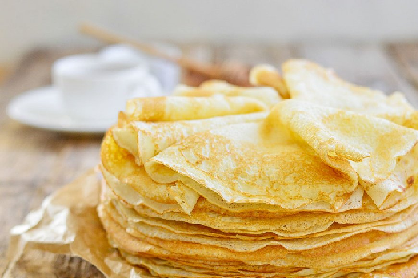
In France, Candlemas is inseparable from crêpes. This custom stems from a mix of symbolism and practicality. The crêpe, round and golden, evokes the sun and the gradual return of light after the darkest weeks. It also makes use of simple ingredients available in winter, such as flour, eggs, and milk. Historically, late January and early February were a time for managing food reserves, notably flour, and for hoping for a good harvest to come.
Popular traditions
Several customs surround Candlemas. The best known is flipping the first crêpe while holding a coin in the other hand, a gesture said to bring prosperity for the year. Depending on the region, there are also sayings linked to the weather, since this period often serves as an agricultural marker. Even though these beliefs belong to folklore, they explain why Candlemas has kept a family and convivial dimension, beyond its religious origin.
Candlemas and Mardi Gras
Candlemas and Mardi Gras are sometimes linked in the public mind because both moments revolve around rich preparations, crêpes, doughnuts, or waffles. The traditional logic is simple: fatty products and eggs are used up before a period of restriction, notably linked to Lent. The main difference lies in the calendar: Candlemas is fixed on February 2, while Mardi Gras depends on the date of Easter and varies each year.
Simple ideas for 2026
For a successful Candlemas, the key is to choose a rested batter, since this improves the texture and limits crêpes from becoming brittle. A well-heated, lightly greased pan is enough, no need to drown the batter. For a savory version, buckwheat flour gives more rustic galettes that pair well with simple fillings. For a sweet version, favoring basic ingredients and even cooking gives much better results than complicated additions. For intolerances, alternatives exist, plant-based milk, adapted flour, but the fluidity of the batter must be adjusted to keep the crêpes thin.