February 3: International No Straw Day
Céline Arétin, culture, women's issues and environment correspondent, February 3, 2026
Origin of International No Straw Day
International No Straw Day was created in 2017 by Jackie Nunez, an American environmental activist and founder of the movement The Last Plastic Straw. Her initiative was born after she noticed the accumulation of plastic straws on the beaches of Monterey, California. In 2015, a viral video showing a marine biologist removing a straw stuck in a sea turtle's nostril off the coast of Costa Rica sparked worldwide awareness. Campaigns followed, such as that of the Lonely Whale Foundation, which led Seattle to officially ban plastic straws starting in July 2018. In France, the association Bas Les Pailles carried out awareness campaigns, contributing to the 2020 anti-waste law that has banned the distribution of plastic straws since January 2021. Numerous events, such as Rock en Seine and Hellfest, have also banned disposable straws.
Why should we reduce the use of plastic straws?
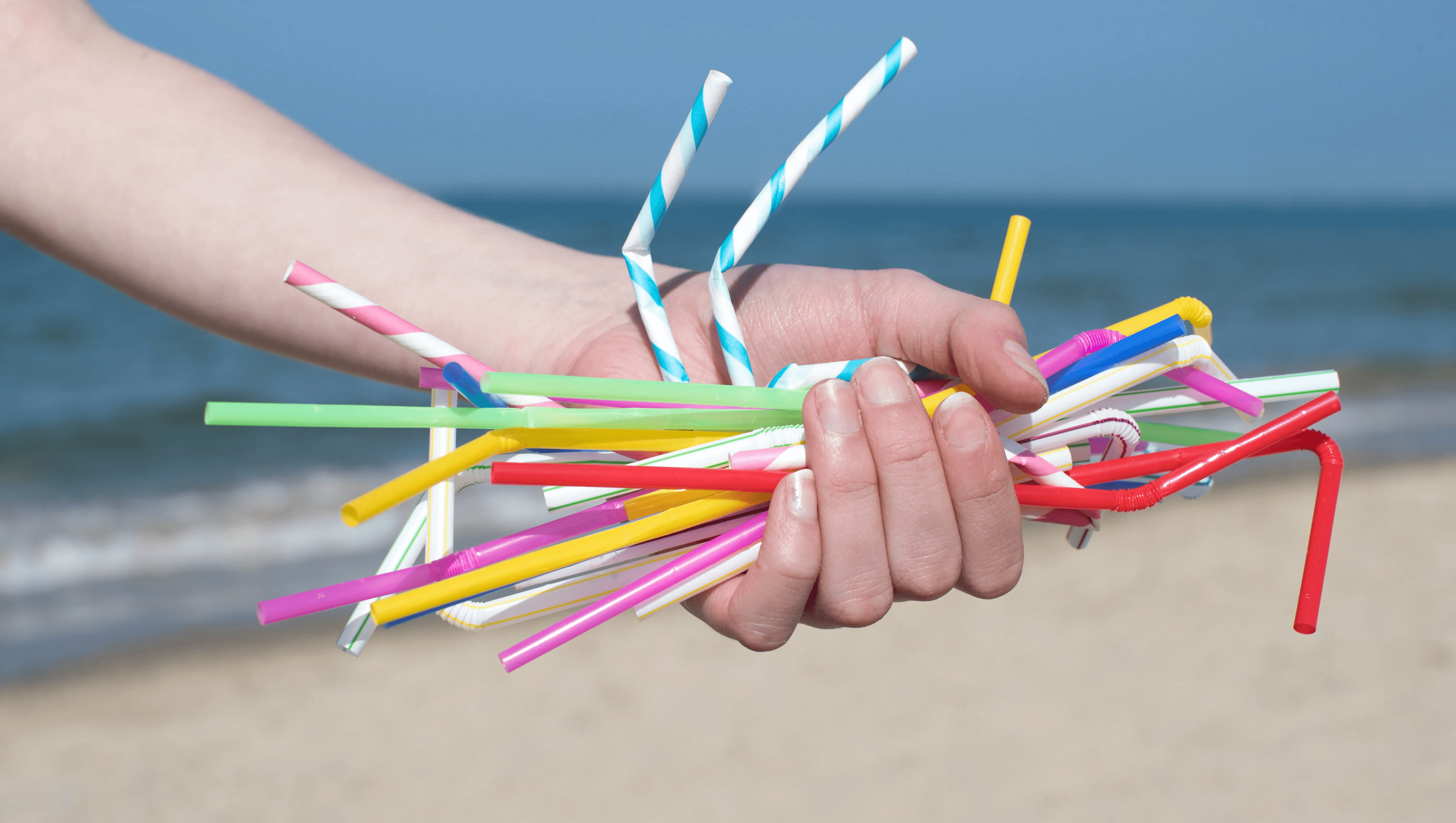
Reducing the use of plastic straws is essential to limit their environmental impact. Every day, about 500 million straws are used in the United States, the equivalent of filling more than 125 school buses. This waste is problematic because it's too small to be effectively recycled and often ends up in the oceans. A study conducted in 2018 estimated that more than 8.3 billion straws littered beaches around the world. Many animals, such as fish, birds and marine mammals, ingest this plastic, causing internal injuries and often death. In addition, plastic straws break down into microplastics, which contaminate the food chain and end up in drinking water. A 2017 study published by the State University of New York found that 93% of major-brand bottled water contained plastic particles.
Eco-friendly alternatives to disposable straws
Stainless steel straws, like those offered by the French brand Gobi, are reusable and easy to clean with a brush. Bamboo straws, made by companies such as Bambaw, are biodegradable and handcrafted. Another alternative is the edible straw, made from food-grade pasta or seaweed, such as those sold by Lolistraw. They can be eaten after use, eliminating waste entirely. Paper straws, although adopted by chains such as McDonald's or Starbucks, have limitations: they break down quickly and are difficult to recycle because of the glues used. Finally, glass straws, offered by brands such as GlassDharma, provide a reusable alternative, although they are more fragile.
Regulations on plastic straws around the world
In France, the 2020 anti-waste law has banned the sale and distribution of single-use plastic straws since January 2021. In the United Kingdom, a similar ban has been in effect since October 2020, requiring businesses to offer only biodegradable or reusable straws. In the United States, several cities have adopted bans: Seattle was the first to ban plastic straws in 2018, followed by San Francisco, Los Angeles and New York. The state of Hawaii has banned all single-use plastics in restaurants starting in 2022. In Australia, states such as Queensland and Victoria banned plastic straws starting in 2021. In India, a national ban on single-use plastics, including straws, took effect in July 2022. China has also announced a gradual ban on disposable plastics, aiming for total elimination by 2025. In Canada, the sale of plastic straws has been banned since December 2022, with a transition period until 2024.