March 25: International Day of Remembrance of the Victims of Slavery
Céline Arétin, culture, women's issues and environment correspondent, March 25, 2025
What was the transatlantic slave trade?
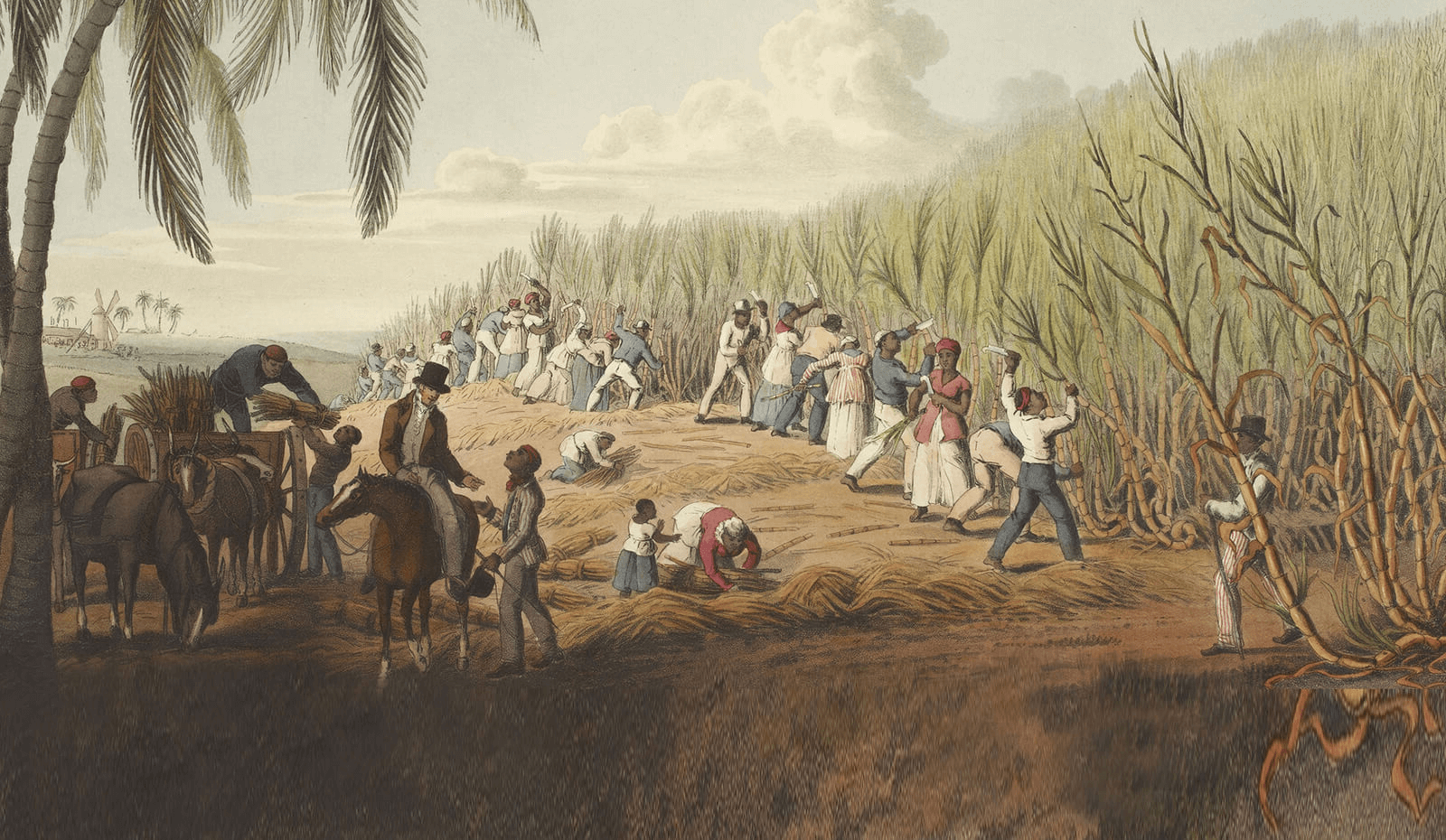
The transatlantic slave trade refers to the trade in African slaves organized by colonial powers between the 16th and 19th centuries. Ports such as Gorée in Senegal, Ouidah in Benin, and Luanda in Angola served as departure points. Captives were held for weeks in coastal forts such as Fort James in Gambia or Fort Elmina in Ghana before being loaded onto slave ships. These ships, like the notorious Brookes, crammed enslaved people into spaces so small that many died of suffocation, malnutrition or infectious disease during the crossing of the Atlantic. Once they arrived in the Caribbean, North America or South America, enslaved people were sold at public markets.
History of the transatlantic slave trade
Portugal was the first to establish trade routes, deporting captives from ports such as Luanda in Angola to Brazil, where around 40% of enslaved people were sent to work on sugar and coffee plantations. Ships often returned to Europe loaded with tropical goods such as sugar, tobacco and cotton, making this human exploitation the engine of the "triangular trade." Under pressure from abolitionist movements, the United Kingdom banned the slave trade in 1807, followed by France in 1815 and the United States in 1808. Despite these bans, the illegal slave trade continued in Cuba and Brazil. Some slave ships, such as the Clotilda, continued transporting captives into the 1860s.
Revolts against slavery
One of the most famous revolts was the Haitian Revolution (1791-1804), led by Toussaint Louverture, Jean-Jacques Dessalines and Henri Christophe. Beginning as an uprising on the plantations of Saint-Domingue, this revolt led to the abolition of slavery in the colony and the creation of Haiti, the first independent Black republic. Uprisings also took place aboard slave ships. In 1839, the enslaved people aboard the Amistad, led by Joseph Cinqué, seized the ship and attempted to return to Africa. Although the ship was intercepted, the captives were eventually freed after a trial in the United States. In 1841, enslaved people aboard the Creole mutinied and gained their freedom by landing in the Bahamas, where British authorities, having abolished slavery, protected them.