April 16: World Day Against Child Slavery
Céline Arétin, culture, women's issues and environment correspondent, April 16, 2025
Origin of this day
World Day Against Child Slavery takes place every year on April 16, in memory of Iqbal Masih, born in 1983 in Muridke, Pakistan. Born into a poor family, he was sold at age 4 by his parents to a carpet maker to repay a debt of 600 rupees (less than 12 euros). Chained to his loom for more than 12 hours a day, he was fed sparingly and beaten when he worked too slowly. At age 10, he managed to escape with the help of the Bonded Labour Liberation Front (BLLF), a Pakistani NGO fighting forced labor. Iqbal then became an activist against child slavery, denouncing the inhumane conditions in which thousands of Pakistani children were exploited. He was about to enroll in a school in the United States when he was murdered on April 16, 1995, at age 12, likely in retaliation for his activism against the carpet industry.
What does child slavery involve?
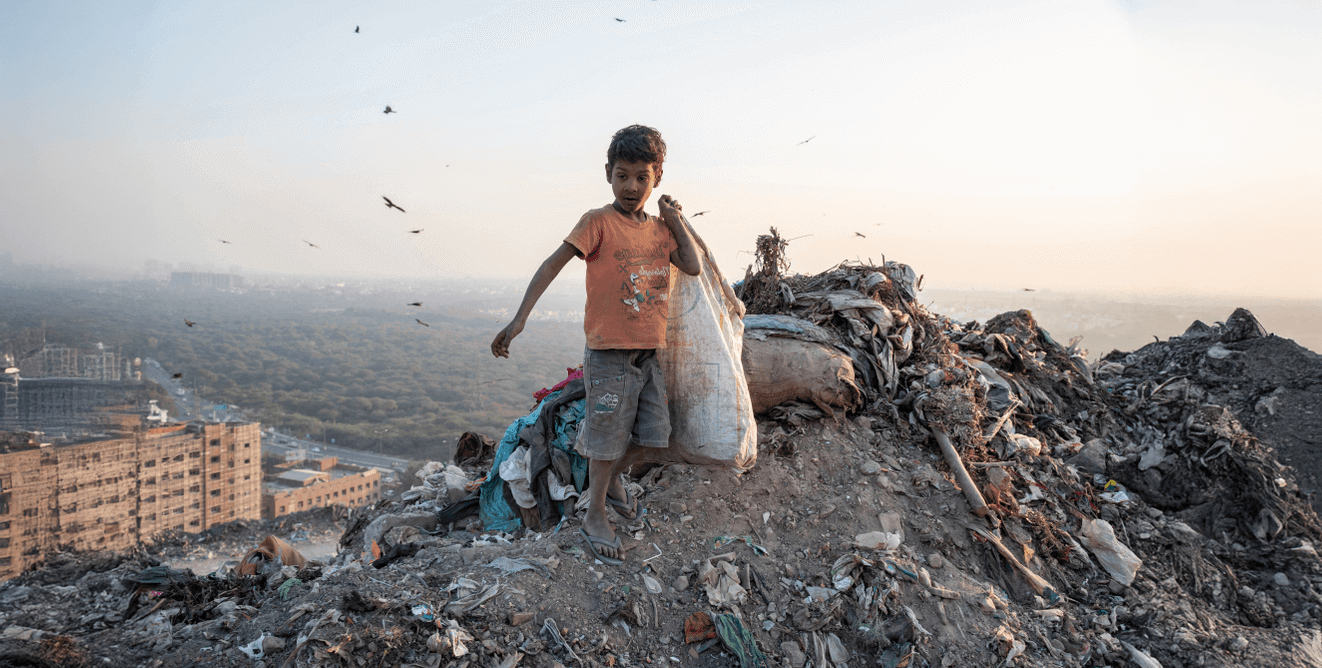
Child slavery refers to any situation in which a minor is forced to work, often under inhumane conditions, with no way to leave their employer. This includes forced labor, trafficking, sexual exploitation, forced marriage, military recruitment, and hazardous work. According to the International Labour Organization (ILO), more than 160 million children were engaged in labor in 2024, including 79 million in conditions classified as hazardous.
Consequences for children's physical and mental health
Physically, agricultural work exposes them to toxic chemicals (pesticides, fertilizers) causing respiratory disorders, skin conditions and chronic poisoning. In the mining industry, they handle mercury or inhale silica dust, causing irreversible lung disease. In textile or brick factories, they are subjected to repetitive motions, heavy loads, heat and dangerous machinery. Psychologically, the impact is just as serious. Children subjected to exploitation live in fear, isolation and constant submission. Cases of abuse, rape, threats or prolonged confinement are common. These situations cause post-traumatic stress disorder, anxiety disorders, deep depression, and even suicidal behavior. The lack of cognitive and emotional stimulation hinders brain development and impairs memory, language and concentration.