March 30: World Bipolar Day
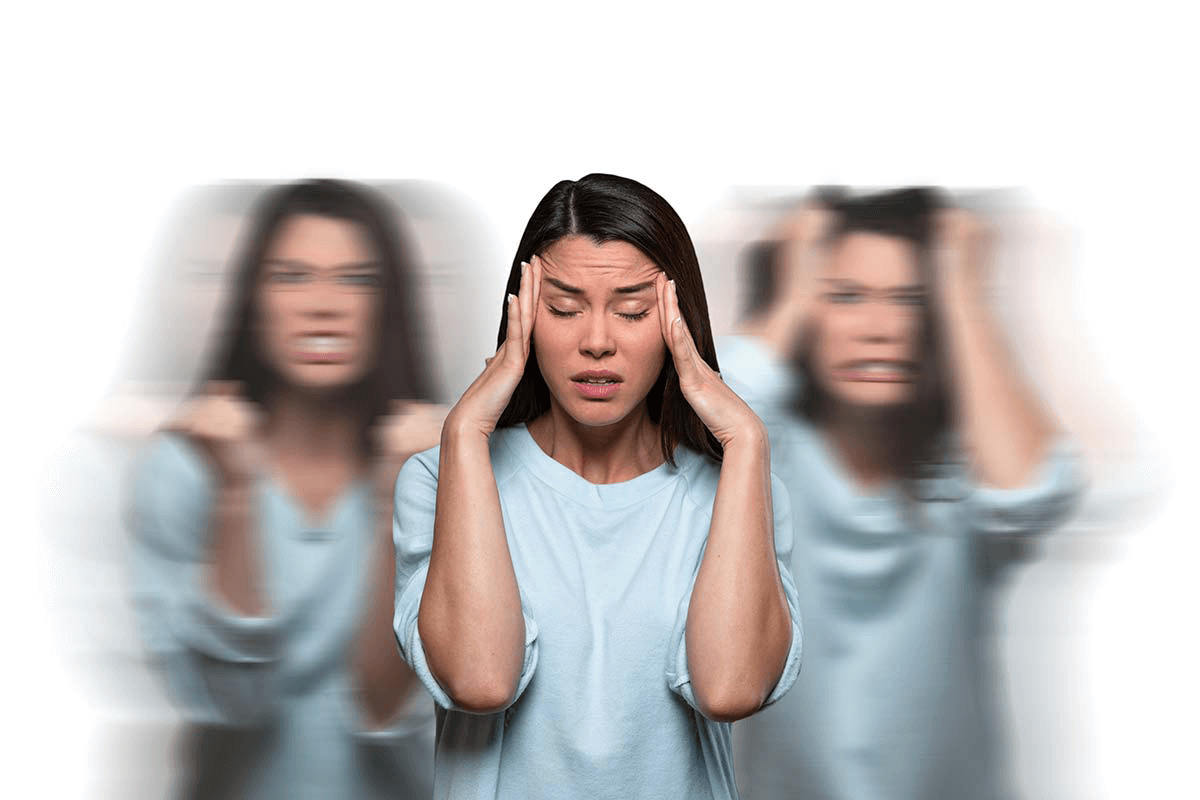
Céline Arétin, culture, women's issues and environment correspondent, March 30, 2025
Understanding bipolar disorder
Bipolar disorder is a mood disorder characterized by fluctuations between episodes of mania (or hypomania) and depression. Mania manifests as excessive energy, marked euphoria, impulsive behavior and a reduced need for sleep, while depression brings sadness, loss of interest and fatigue. There are several types of bipolar disorder: bipolar disorder type I involves severe manic episodes that may require hospitalization, while bipolar disorder type II is characterized by more moderate hypomanic episodes and major depressive phases. Cyclothymic disorder is a milder form with frequent but less intense mood swings. Bipolar disorder affects around 1 to 2% of the world's population, or nearly 1.6 million people in France.
Diagnosis and medical care
Diagnosis of bipolar disorder relies on a clinical assessment carried out by a psychiatrist. Healthcare professionals use criteria defined in the Diagnostic and Statistical Manual of Mental Disorders (DSM-5) to identify manic, depressive or mixed episodes. Tools such as the Young Mania Rating Scale or the Montgomery-Åsberg Depression Rating Scale can be used to assess the severity of symptoms. Mood stabilizers, such as lithium or lamotrigine, are often prescribed to prevent relapse. Atypical antipsychotics, such as olanzapine or quetiapine, are used to control manic episodes. Psychotherapy, particularly cognitive behavioral therapy (CBT), helps patients manage their stress, recognize warning signs, and stabilize their daily routine.
Impact of bipolar disorder on daily life
Mood fluctuations can lead to family conflict, difficulty maintaining friendships, and marital breakdown. Professionally, manic episodes can lead to impulsive behavior, risky decision-making, or excessive productivity followed by burnout. Conversely, depressive phases can cause frequent absenteeism and an inability to manage responsibilities. Bipolar disorder also affects physical health, due to disrupted eating habits, irregular sleep, and an increase in risky behaviors.