Armistice Day 2026
November 11, 2026
By David Chelly, updated November 11, 2025
What does November 11 commemorate?
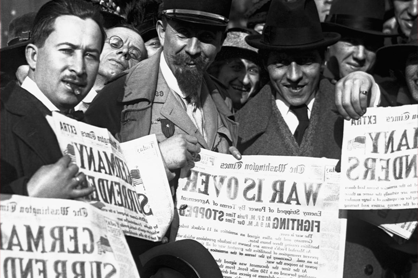
Armistice Day, observed on November 11, marks the day the fighting of the First World War came to an end. On November 11, 1918, at 11 o'clock in the morning — the eleventh hour of the eleventh day of the eleventh month — the guns fell silent on the Western Front after more than four years of a conflict that had cost the lives of millions of soldiers and civilians. The date has since become a day of national remembrance in France and in many other countries.
The signing of the Armistice of 1918
The armistice that ended the fighting was signed in the early morning of November 11, 1918, in a railway carriage in the forest of Compiègne, near Rethondes, in northern France. The Allied delegation was led by Marshal Ferdinand Foch, supreme commander of the Allied armies. The agreement did not end the war in law — that would come with the Treaty of Versailles in 1919 — but it ended the hostilities and imposed on Germany the immediate evacuation of the occupied territories.
The same railway carriage would return to history in June 1940, when Germany chose it as the setting for the signing of the armistice with France during the Second World War, a deliberately symbolic reversal of the events of 1918.
November 11: a day of remembrance and homage to those who died for their country
How is Armistice Day commemorated?
In France, November 11 is a public holiday. Ceremonies are held at war memorials in towns and villages across the country, where wreaths are laid, the names of the fallen are read out, and a minute of silence is observed. In Paris, the President of the Republic pays homage at the Tomb of the Unknown Soldier beneath the Arc de Triomphe, where the flame of remembrance is rekindled.
The day is marked in many other nations too, often under different names. In the United Kingdom and the Commonwealth it is known as Remembrance Day, symbolised by the red poppy, while in the United States it is observed as Veterans Day, honouring all who have served in the armed forces.
The symbol of the poppy
The red poppy became the emblem of remembrance after the war, inspired by the poem "In Flanders Fields" written by the Canadian officer John McCrae. Worn on the lapel in the days leading up to November 11, it recalls the flowers that grew on the battlefields of Flanders and has come to represent the memory of all those who lost their lives in conflict.