May 14: Paraguay's National Day
Ingrid Novákováinternational specialist, May 15, 2025
History before Paraguay's independence
Before its independence in 1811, Paraguay was part of the Spanish Empire, under the authority of the Viceroyalty of the Río de la Plataan administrative division created in 1776 to better control South American territories. Exploration of the region began in 1524 with Alejo García, but it was in 1537 that the city of Asunción was founded. Between 1609 and 1767, the Jesuits established communities called reductions, intended to gather Indigenous populations. These missions, organized by priests, formed self-contained societies in which the Guaraní lived according to a structured, collective model. Agriculture, music, reading and manual trades were taught there, within a framework of conversion to Christianity. The reductions protected Indigenous people from abuse by colonists, but their prosperity aroused the suspicion of the Spanish authorities. In 1767, the Crown expelled the Jesuits from all of its territories.
Paraguay's independence
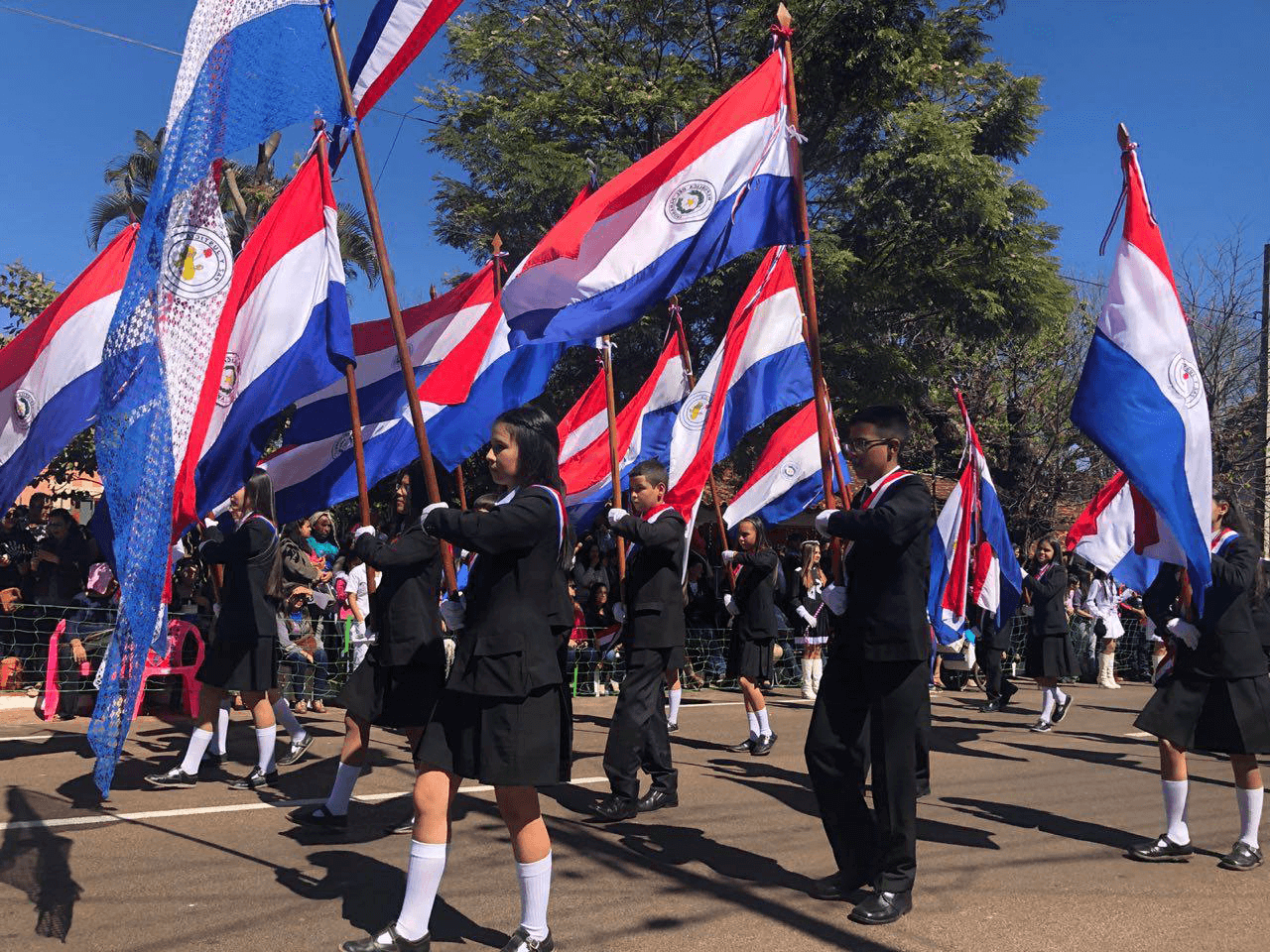
In the early 19th century, the collapse of Spanish authority, triggered by the Napoleonic Wars and the capture of King Ferdinand VII, sparked a series of independence movements across Latin America. Paraguay, then part of the Viceroyalty of the Río de la Plata, refused to submit to centralization under Buenos Aires, preferring to preserve its regional autonomy. In January 1811, republican general Manuel Belgrano crossed the Paraná River with about a thousand men to bring Asunción into the Buenos Aires-led revolution, but was defeated at Paraguarí and then at Tacuarí by the local militia led by Manuel Cabañas. On the night of May 14-15, 1811, a cabildo abiertoan extraordinary municipal assembly, took control of Asunción's barracks, overthrew Spanish governor Bernardo de Velasco, and proclaimed the Junta Gubernativa. In October 1813, a national congress established a two-headed consulate inspired by ancient Rome, but Dr. Francia, backed by small producers, established himself as sole ruler. In 1814, he was named Dictador Supremo por la Ley for an indefinite term, tasked with defending national sovereignty. He launched a partial land reform with the estancias de la Patria (estates granted to soldiers), confiscated the property of the Spanish clergy, imposed self-sufficiency, put public finances in order, and closed the borders to limit foreign influence, particularly from Portuguese Brazil. While maintaining discreet trade ties with the United Kingdom, he laid the foundations of a centralized state. By his death in 1840, Paraguay already had a stable administration and the beginnings of a national industry.
Challenges after independence
The self-sufficiency established by Francia strengthened sovereignty but deprived the country of capital. Under the López dynasty, militarization absorbed 40% of the budget; the War of the Triple Alliance (1864-1870) decimated the population and left the state heavily indebted to British banks. Victory over Bolivia in the Chaco War (1932-1935) secured control of the Gran Chaco and its oil deposits, but revealed an outdated logistical apparatus. The Colorado Party then monopolized power and, after the 1947 civil war, installed an authoritarian regime, culminating in the dictatorship of Alfredo Stroessner (1954-1989).