April 6: International Day of Sport for Development and Peace
Céline Arétin, culture, women's issues and environment correspondent, April 6, 2025
Origin and goals of this day
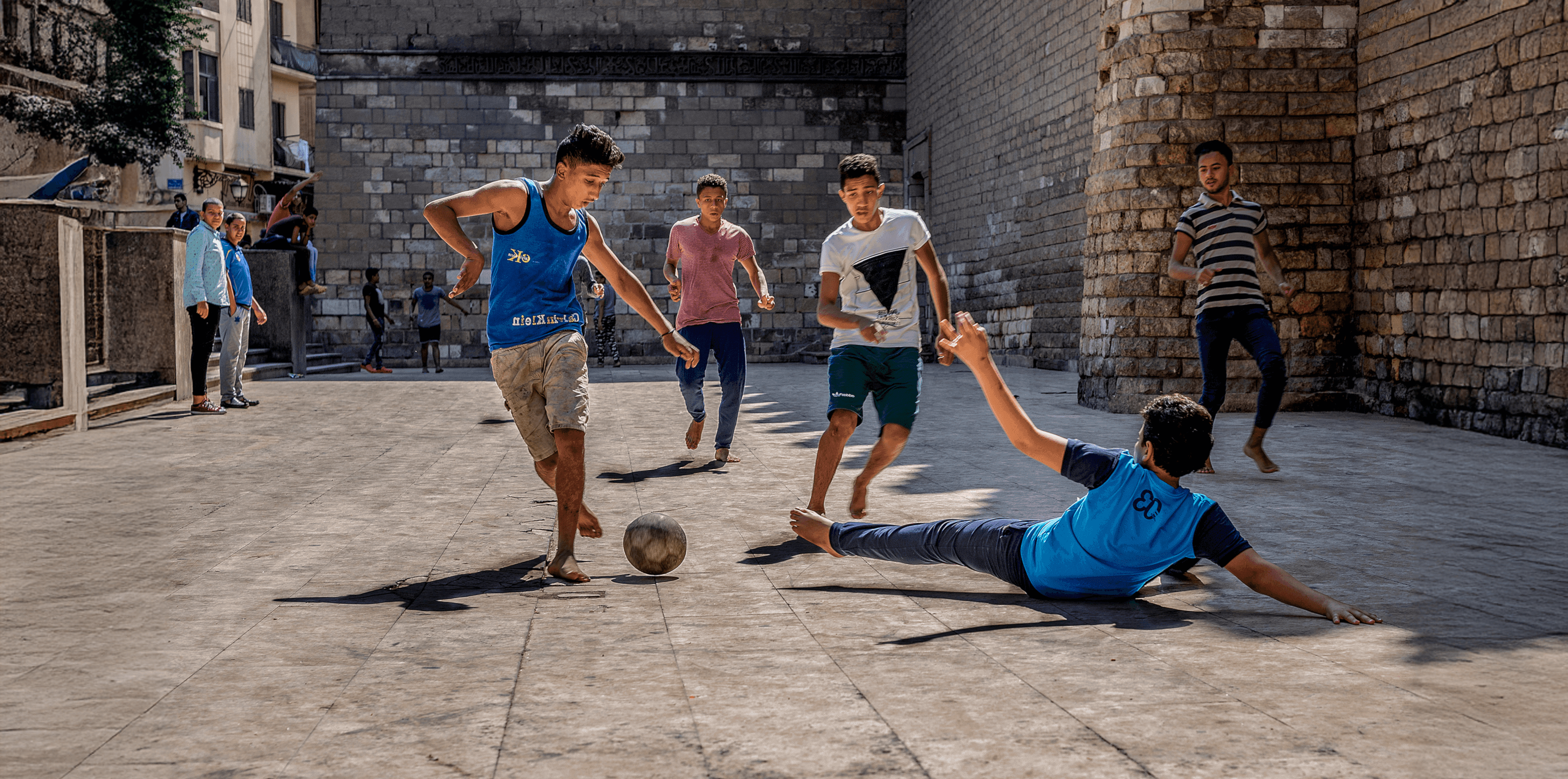
The International Day of Sport for Development and Peace, celebrated every year on April 6, was established by the United Nations General Assembly in 2013 to highlight the role of sport in improving social, economic and educational conditions around the world. This date commemorates the opening ceremony of the first modern Olympic Games, held in Athens on April 6, 1896. According to the UN, sport directly contributes to achieving several Sustainable Development Goals (SDGs), including quality education, gender equality and reduced inequality.
Benefits of sport
Regular physical activity stimulates neurogenesis, accelerating the production of new neurons in the hippocampus, a region of the brain involved in memory and learning. In addition, regular exercise regulates cortisol levels, the stress hormone, contributing to better resistance to daily tension. Researchers at the University of California showed in 2020 that regular sports sessions lowered cortisol levels by an average of 15% in individuals subjected to intense stress situations. Playing sports is also beneficial for sleep. Adults who engage in at least 30 minutes of sport three times a week enjoy deeper, more restorative sleep, which helps reduce symptoms of insomnia.
How sport promotes social and economic development
Sport is a lever for social and economic development, helping to strengthen social cohesion, reduce inequality and stimulate the local economy. By engaging young people in sports activities, community projects help prevent delinquency and promote positive behavior. Economically, major sporting events generate significant benefits: the 2012 London Olympics brought about 9.9 billion pounds sterling to the British economy, while the 2010 FIFA World Cup in South Africa created more than 130,000 temporary direct jobs. In addition, promoting sport supports public health, reducing healthcare spending through the overall improvement of the population's physical activity.