April 3: International Day Against Victim Blaming
Céline Arétin, head of cultural, women's, and environmental topics, April 3, 2025
Common forms of victim blaming
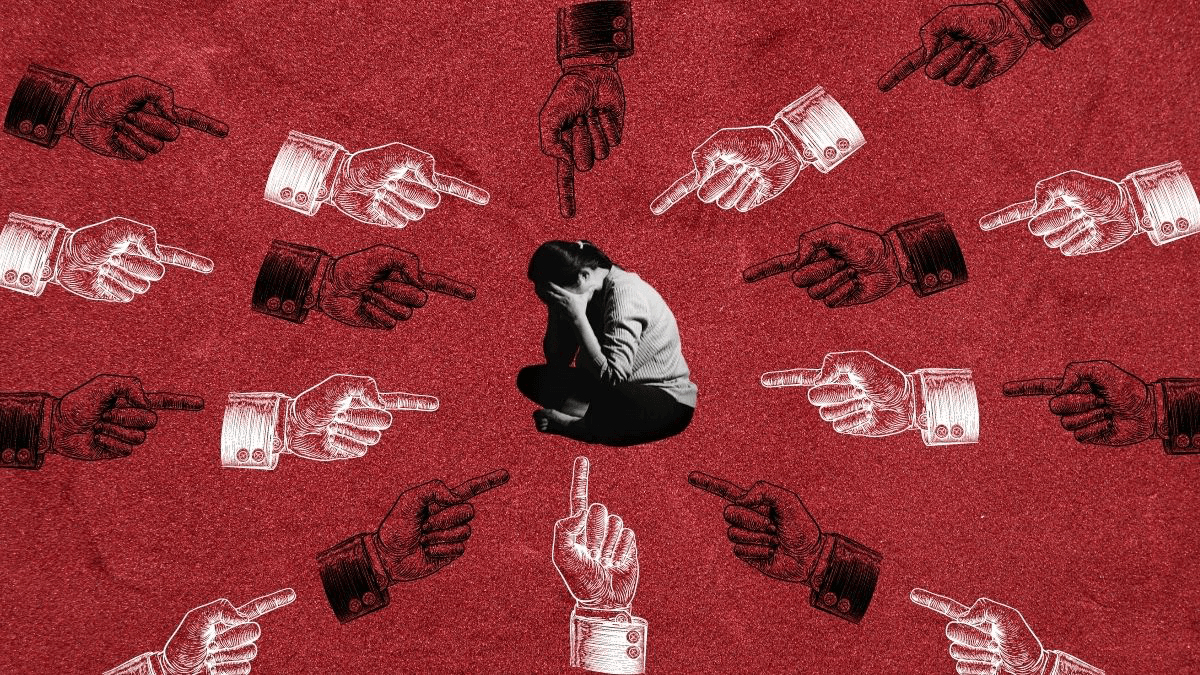
In cases of sexual assault, victims are sometimes accused of having provoked the attacker because of their clothing, behavior, or alcohol consumption. A study by the French National Observatory on Violence Against Women found that 20% of French people believe a woman wearing a short skirt bears some responsibility for an assault. In cases of school bullying, victims are sometimes blamed for their supposed weakness or lack of sociability. In domestic violence cases, some blame victims for not leaving their partner sooner, ignoring the psychological mechanisms and social pressures that make this decision complex.
The psychological consequences of blame on victims
Victim blaming worsens trauma by reinforcing feelings of guilt and shame. Victims may develop anxiety disorders, depression, or post-traumatic stress. This phenomenon also discourages help-seeking: according to a 2019 survey by the British association Rape Crisis, nearly 60% of victims who felt judged gave up on reporting their assault. Blame can also isolate victims socially, creating a climate of distrust and rejection of their testimony.
Legal framework and victims' rights regarding blame
In France, the law of July 9, 2010 strengthened the rights of victims of violence by including measures to prevent psychological pressure and attempts to induce guilt. The law of August 4, 2014 on real equality between women and men also introduced sanctions against speech and behavior that minimizes the responsibility of attackers. In the judicial system, magistrates are trained to better identify strategies used to discredit victims, particularly during trials for sexual violence. Internationally, the Istanbul Convention, adopted in 2011 by the Council of Europe, requires signatory states to take measures to protect victims against blame and social prejudice. Awareness campaigns such as "#MeToo" or "#BalanceTonPorc" have also helped expose these practices, prompting institutions to adopt firmer policies to support victims and condemn unjust blame.