January 16: Benin Martyrs' Day
Ingrid Nováková, international specialist, January 16, 2025
What is Benin Martyrs' Day?
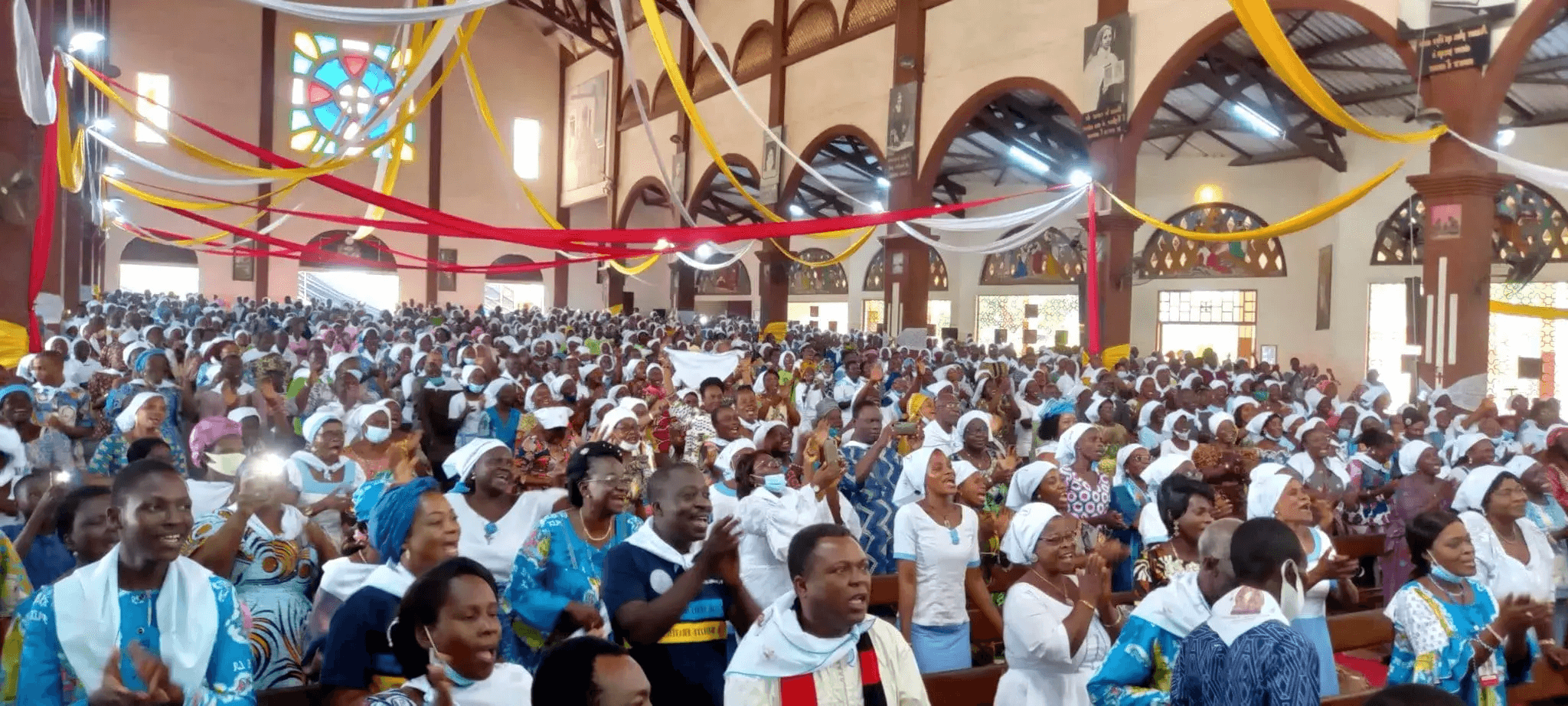
Martyrs' Day, observed every year on January 16, commemorates the citizens who fell during the country's periods of struggle for freedom. This day pays special tribute to the events of the 1970s and 1980s, when many Beninese people stood up against oppressive political regimes, notably under the military rule of Mathieu Kérékou. January 16 is also an occasion to recall the values of courage that allowed the country to move to multiparty democracy in 1990. Wreath-laying ceremonies and ecumenical prayers are held across the country, particularly in Cotonou and Porto-Novo, to honor the memory of the martyrs.
The key events of January 16, 1977
The events of January 16, 1977 are linked to an attempted coup known as the "attack on Cotonou." On that day, a group of mercenaries led by Bob Denard, a famous French soldier involved in several conflicts in Africa, tried to overthrow the military regime of Mathieu Kérékou. Backed by exiled political opponents, the mercenaries attacked strategic sites in Cotonou, including the airport and government buildings. However, the operation failed thanks to resistance from the Beninese army and a rapid mobilization of forces loyal to the government. This event, which left several people dead and wounded, marked the country's history and illustrated the intense political tensions of the era.
The historical context of the struggle for independence
The historical context of Benin's struggle for independence fits within the decolonization movements that swept across Africa in the 1950s and 1960s. At the time, the territory, known as Dahomey, had been a French colony since the late 19th century. Local elites, educated in colonial schools, began demanding greater political rights, inspired by the ideas of self-determination circulating across the continent. In 1946, Dahomey gained the status of an overseas territory within the French Union, allowing for limited political representation. Leaders such as Sourou-Migan Apithy, Justin Ahomadégbé-Tomêtin and Hubert Maga played an important role in negotiations with France. After a series of political reforms and popular mobilizations, independence was proclaimed on August 1, 1960.
Comparison with similar days in other African countries
Martyrs' Day, observed on January 16, can be compared to similar days in various African countries that honor struggles for freedom. In South Africa, for example, June 16 is commemorated as Youth Day in memory of the students killed during the 1976 Soweto uprising against apartheid. In Angola, February 4 marks the start of the armed struggle for independence, with ceremonies honoring the fallen fighters. In Rwanda, April 7 marks the beginning of the Week of Remembrance for the victims of the 1994 genocide.